Loyalty program cost breakdown (infrastructure vs rewards budget)


Loyalty Program Cost Breakdown: Infrastructure vs Rewards Budget
Running a loyalty programme requires clear cost planning for long-term success. Many brands assume the reward budget is the primary expense. In practice, infrastructure often determines the real cost of running loyalty programs over time. Understanding both cost areas helps teams build programmes that are efficient, sustainable, and aligned with business goals.
Two Core Cost Components
Every loyalty programme is built on two major cost pillars. Both are necessary, and the balance between them determines how smooth and scalable the system becomes.
- Infrastructure costs: Technology, automation, data handling, integrations, and analytics
- Reward budget: The actual value distributed to users in the form of points, vouchers, or perks
When these two elements are planned with clarity, brands avoid overspending and maintain stronger programme performance.
Infrastructure Costs Explained
Infrastructure is the backbone of any loyalty programme. It determines how rewards are issued, how data flows, how users interact with the system, and how smooth the experience feels.
- Platform subscription or licensing fees
- APIs, integrations, and workflow automation
- Data storage and processing costs
- Security layers and fraud protection
- User dashboards and reward catalogue management
- Maintenance and technical support
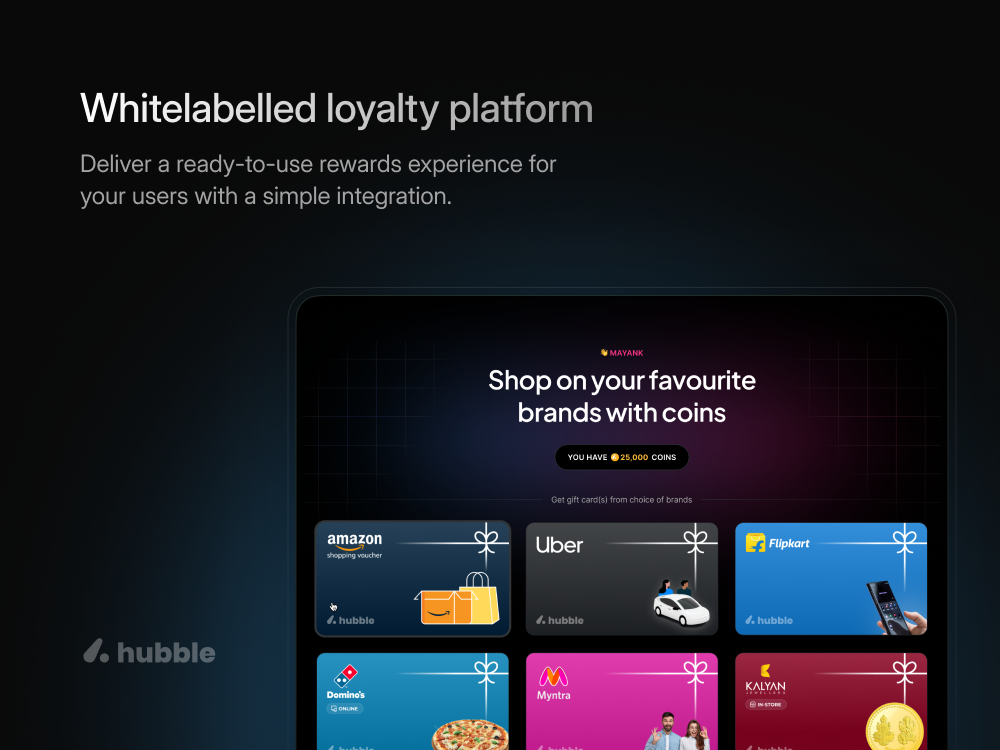
A modern loyalty platform simplifies these expenses by offering everything in a single system. Solutions like the Hubble Loyalty Portal reduce the need for separate tools and consolidate processes, which lowers operational costs in the long run.
Reward Budget Explained
The reward budget covers the actual value distributed to users. Brands often spend this across multiple categories depending on programme goals.
- Points, cashback, or coins issued to users
- Gift cards and vouchers
- Tier based benefits
- Campaign specific bonuses
- Seasonal or festive rewards
A well planned reward budget focuses on meaningful incentives that encourage repeat behaviour instead of overspending on rewards that users may not value.
How to Balance Both Costs
The ideal loyalty programme balances infrastructure and reward spending. Too much focus on rewards without strong systems creates leakage and fraud. Too much focus on infrastructure without meaningful rewards reduces user motivation.
- Allocate a clear percentage of annual marketing budget
- Use tiered rewards to control costs while boosting engagement
- Automate reward distribution to prevent overspending
- Track redemption and adjust reward values accordingly
- Monitor user segments to prioritise high value groups
This balance ensures the programme grows steadily without placing unnecessary pressure on finances.
Long Term Cost Efficiency
Brands that invest in scalable infrastructure early benefit from reduced operational costs later. A dependable platform lowers manual work, minimises errors, and controls leakage. Meanwhile, an optimised reward budget keeps users engaged without unnecessary expenses.
Over time, this combination results in higher ROI, better retention, and a loyalty system that can grow without breaking under pressure.
Final View
The cost of a loyalty programme is not limited to rewards. Infrastructure plays an equally important role in ensuring accuracy, security, and scale. By understanding both cost areas, brands can build loyalty systems that are efficient, impactful, and ready for future growth.
Short summary