How loyalty programs evolve with Gen Z customers


How Loyalty Programs Evolve With Gen Z Customers
Gen Z customers bring new expectations to every brand interaction. They look for transparency, personal relevance, quick gratification, and digital first experiences. Loyalty programs that were built for older generations often struggle to meet these needs, so brands are now redesigning their systems to match Gen Z behaviour and preferences.
What Gen Z Expects From Loyalty Programs
Gen Z users grew up with mobile apps, instant access to information, and fast digital services. Their expectations for loyalty programs reflect these habits. They are not motivated by basic points alone, and they look for experiences that feel fair, rewarding, and simple to use.
- Clear and honest reward structures
- Fast earning and redemption cycles
- Digital rewards like gift cards or prepaid cards
- Personalised offers instead of generic campaigns
- Simple user journeys without long processes
Brands that offer these elements tend to see stronger retention among Gen Z users.
Focus on Instant Value Instead of Long Cycles
Gen Z customers prefer quick outcomes. They want rewards that can be redeemed soon after earning, not months later. This shift is encouraging brands to reduce complicated tier systems and introduce simpler, more frequent reward touchpoints.
- Micro rewards for small actions
- Fast redemptions through digital rewards
- Shorter validity periods to keep engagement consistent
These changes help keep Gen Z interested and active on the platform.
Personalisation as a Core Element
Gen Z values recognition and relevance in their interactions. A loyalty program feels more appealing when the rewards align with individual preferences instead of general offers. This requires brands to use basic behavioural data to shape experiences.
- Personalised recommendations based on past actions
- Targeted bonuses during high activity periods
- Special incentives for user specific milestones
A personalised loyalty journey makes Gen Z feel understood and valued.
Digital Rewards as Preferred Redemption Options
Gen Z customers rarely want physical rewards. They prefer digital options that can be used instantly across their favourite apps, stores, or services. Gift cards and prepaid cards fit this requirement because they offer flexibility across categories like shopping, food delivery, fashion, travel, and entertainment.
- Instant email or SMS fulfilment
- Useful across several brand categories
- No long processing steps
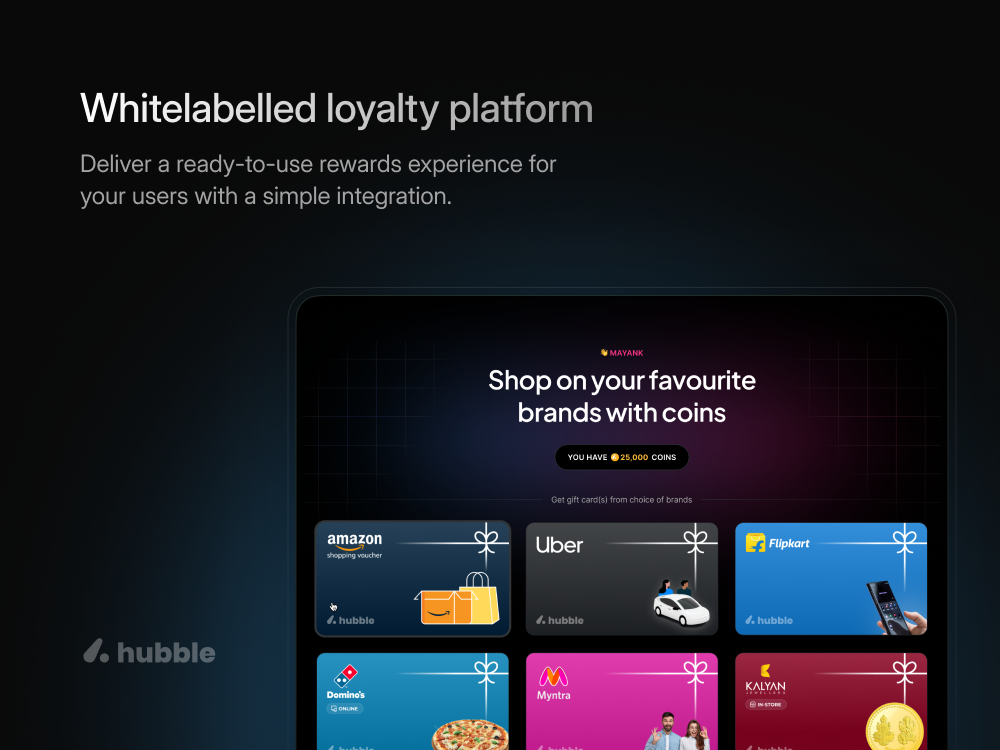
Brands can integrate these formats through plug and play solutions such as the Hubble Loyalty Portal which supports digital reward catalogues with simple configuration.
Gamification and Interactive Elements
Gen Z enjoys interactive experiences, so loyalty programs are now adopting game like structures. These methods make engagement feel more enjoyable and encourage repeated actions.
- Streak based rewards
- Milestone badges
- Challenge based earning opportunities
- Leaderboards for community driven apps
Gamified elements help transform loyalty from a background feature into an active part of the user journey.
Social and Community Driven Loyalty Behaviours
Gen Z pays close attention to the values of the brands they support. Loyalty programs that include community benefits or social impact components tend to resonate strongly with this audience.
- Donations using reward points
- Volunteer recognition rewards
- Environmental or social contribution badges
These models help Gen Z customers feel connected to something bigger than the transaction.
Summary
Loyalty programs evolve rapidly when brands focus on Gen Z expectations. Shorter cycles, digital rewards, personalisation, and engaging experiences form the foundation of modern loyalty systems. With plug and play platforms and flexible reward catalogues, businesses can adapt quickly and deliver experiences that match the mindset of today’s youngest customer group.
Short summary