Difference between loyalty, rewards, and incentive programs


Difference Between Loyalty, Rewards, and Incentive Programs
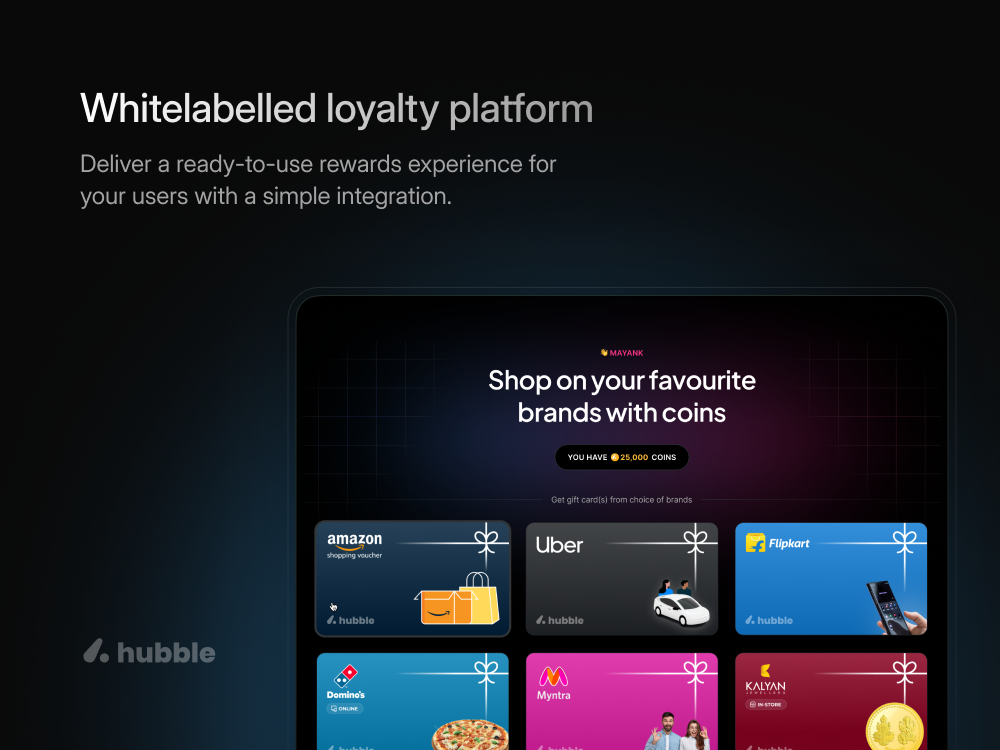
Businesses often use the terms loyalty, rewards, and incentives interchangeably, but each serves a specific purpose. Understanding these differences helps companies build more focused strategies for customer retention, employee engagement, and partner motivation. With platforms like the Hubble Loyalty Portal, brands can manage all three with better clarity and structure.
What Is a Loyalty Program?
A loyalty program is a long term system that encourages customers to return and continue engaging with the brand. It is built around sustained relationships rather than one time actions. Loyalty programs usually involve earning points, unlocking benefits, and receiving personalised offers based on behaviour.
- Focuses on customer retention and repeat transactions
- Often point based with structured tiers or milestones
- Strengthens trust and long term brand connection
- Works best when linked to regular shopping or usage habits
These programs help businesses increase customer lifetime value through continuous engagement rather than short bursts of activity.
What Is a Rewards Program?
Rewards programs recognise individual actions or behaviours. While loyalty is long term, rewards are behaviour specific. They can be used for customers, employees, or partners to acknowledge achievements or participation.
- Rewards are given for specific actions
- May be instant or tied to particular milestones
- Suitable for personal or professional environments
- Often uses digital gift cards, points, or prepaid cards
Rewards have a more immediate emotional impact, making them useful for boosting satisfaction or participation.
What Is an Incentive Program?
Incentive programs are designed to encourage performance based actions, often linked to targets or KPIs. They are common in sales teams, marketing campaigns, distribution networks, and partner channels.
- Motivates individuals or teams to achieve set goals
- Rewards are tied to specific performance outcomes
- Used heavily in sales, retail, and partner ecosystems
- Supports both short term and campaign based objectives
Incentives help companies create momentum and drive measurable business outcomes.
Key Differences at a Glance
- Loyalty: Long term customer retention and engagement
- Rewards: Recognition for specific actions or behaviours
- Incentives: Motivational structures tied to performance or targets
Each has a unique purpose, and choosing the right one depends on the behaviour the business wants to influence.
How These Programs Work Together
Many organisations combine all three to build a complete engagement strategy. A loyalty program captures long term value, rewards improve short term happiness, and incentives boost measurable performance. Using a unified platform helps companies manage these programs without operational complexity.
- Loyalty for ongoing retention
- Rewards for immediate appreciation
- Incentives for goal driven performance
Platforms such as the Hubble Loyalty Portal enable brands to manage earning rules, digital rewards, points, and communication journeys under one system.
Why Knowing the Difference Matters
Clear program structure avoids confusion, reduces cost, and ensures that each initiative drives a defined outcome. Businesses can design better customer or employee journeys when they understand whether the goal is retention, appreciation, or performance. This clarity helps maximise engagement while keeping operational effort under control.
Short summary