Data security and compliance for loyalty programs (RBI, PCI-DSS, GDPR)


Data Security and Compliance for Loyalty Programs (RBI, PCI-DSS, GDPR)
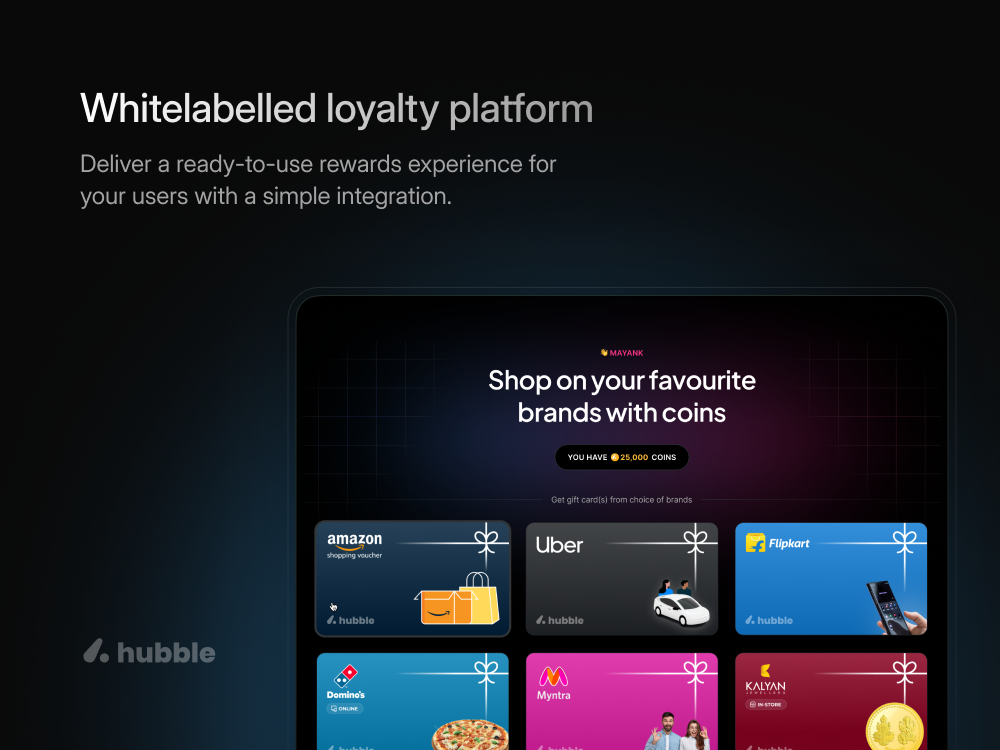
Loyalty programs handle sensitive customer information, transaction records, and reward related data. Because of this, strong security controls and compliance frameworks are essential. Whether a business is managing reward points, user activity, or digital voucher delivery, the system must follow established regulations. Modern platforms such as the Hubble Loyalty Portal are designed with these requirements in mind to help brands run their programs responsibly.
Why Security Matters in Loyalty Programs
Loyalty systems collect data that can influence customer trust. This includes identification details, account activity, purchase history, and reward preferences. If this information is not protected, it can lead to misuse or loss of consumer confidence. A secure loyalty setup ensures that customer data is handled responsibly and that all transactions remain safe.
- Protects customer identity
- Secures digital transactions
- Prevents unauthorised access
- Supports long term brand credibility
Security is not only a technical requirement but also a key part of building trust with customers.
RBI Guidelines for Digital Reward Systems
In India, certain parts of loyalty operations fall under the oversight of the Reserve Bank of India when they involve stored value, voucher payouts, or prepaid mechanisms. RBI requirements focus on clarity, safety, and accountability.
- Clear classification of instruments used in the program
- Secure loading and redemption processes
- Proper identity verification where applicable
- Accurate and transparent record keeping
These guidelines help maintain consistency and prevent misuse of digital reward systems.
PCI DSS for Payment Data Protection
When a loyalty platform connects with payment gateways or handles card linked rewards, PCI DSS standards come into play. PCI DSS ensures secure handling of payment related information by enforcing global safety practices.
- Strong encryption for card data
- Secure networks and firewalls
- Access control for sensitive information
- Regular testing of security systems
Even if the loyalty program itself does not process payments directly, any integration with payment systems must follow these standards.
GDPR and Global Data Privacy Requirements
GDPR applies to businesses serving European customers or storing data of EU residents. It sets strict rules around data collection, usage, retention, and user rights. Many global brands adopt GDPR level standards to improve overall security.
- Clear consent for data collection
- Right to access and correct personal information
- Data minimisation to avoid unnecessary storage
- Mandatory breach notifications
GDPR provides a strong framework for protecting user privacy and building transparent systems.
How Loyalty Platforms Maintain Compliance
To meet these regulations, loyalty platforms combine technical, procedural, and operational measures. A secure platform uses encrypted databases, access controls, audit trails, and monitoring tools to protect all activity. The Hubble Loyalty Portal reflects this approach by helping brands run reward programs with structured compliance across core modules.
- Encrypted storage of user information
- Secure distribution of digital rewards
- Regular audits and compliance checks
- Vendor and partner verification
This integrated approach allows brands to keep their loyalty systems safe without adding unnecessary complexity.
Why Compliance Strengthens Customer Trust
Customers join loyalty programs with the expectation that their information will be treated responsibly. By meeting regulatory standards and adopting strong security practices, businesses show that customer safety is a priority. Compliance creates stability, fosters confidence, and supports long term participation in loyalty programs.
Short summary