API architecture for managing reward rules and redemptions


API Architecture for Managing Reward Rules and Redemptions
Modern loyalty programs rely on structured API systems to manage reward logic, track user activity, and handle redemptions efficiently. Instead of building complex rule engines from scratch, businesses can use API based platforms that manage these operations in a consistent and organised way. This approach helps apps grow faster while maintaining clear and controlled processes across earning and redemption flows.
Why APIs Are Important for Loyalty Infrastructure
A loyalty program involves several moving parts including user identification, action tracking, point allocation, expiry logic, reward catalogues, and secure redemptions. APIs help connect these pieces, making the system predictable and easier to maintain. They ensure that every action triggers the correct outcome without manual intervention.
- Stable communication between app and loyalty engine
- Clear logic for earning and redeeming
- Easy integration across mobile and web apps
- Better consistency in reward distribution
- Lower engineering effort for updates
This foundation allows loyalty programs to scale smoothly, even when user activity increases.
Core Components of a Reward API System
A well designed API architecture generally includes a few essential modules that work together to maintain the loyalty program. Each module handles a specific part of the system so that the entire setup remains clear and predictable.
User and Identity Module
- Links loyalty accounts to users
- Tracks basic information needed for reward actions
- Manages authentication for secure calls
Reward Rule Engine
- Defines how users earn points or credits
- Processes triggers such as sign ups, orders, referrals, or milestones
- Applies caps, expiry, and bonus rules
Redemption Module
- Handles catalogue items such as gift cards or prepaid cards
- Validates user balance before redemption
- Confirms transactions and updates history
Reporting and Audit Layer
- Tracks all reward actions
- Maintains logs for compliance and transparency
- Supports dashboards for teams
Each of these layers contributes to a functional and predictable loyalty system.
Managing Reward Rules Through APIs
APIs allow teams to define earning actions and program logic through simple configurations. Rules can be updated without rebuilding large parts of the system. This provides flexibility for seasonal campaigns, referral boosts, or special promotions.
- Activity based earnings
- Tier upgrades and milestones
- Expiry and rollover logic
- Bonus rewards for specific dates or events
This openness helps the program stay relevant as user behaviour shifts.
Redemptions Through API Driven Systems
Redemptions must be smooth and easy for users. API based systems communicate with external reward catalogues to deliver options such as gift cards or prepaid cards instantly. This avoids manual processing and keeps the user journey simple.
- Balance checks before redemption
- Instant reward fulfilment
- Transaction logging for accuracy
- Support for multiple reward formats
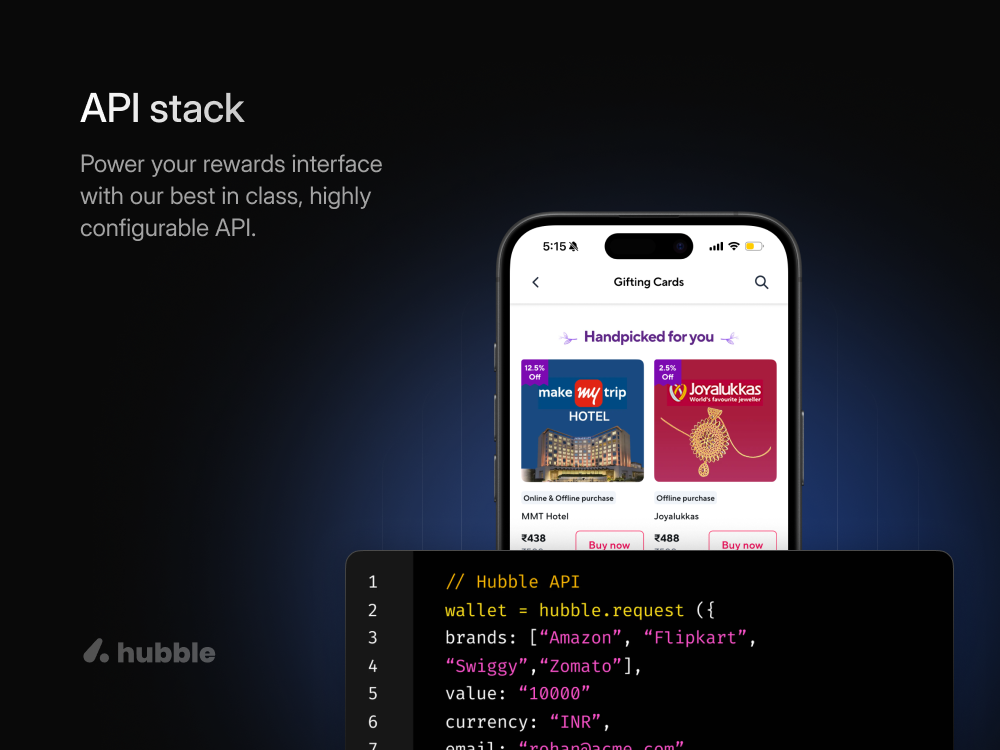
Platforms such as the Hubble Loyalty Portal allow teams to access pre configured APIs for earning, redemption, and catalogue management without building these flows themselves.
Why API Architecture Helps Programs Scale
Once the core modules are in place, businesses can expand their loyalty system with confidence. New earning events, additional catalogue items, or improved dashboards can be added without rewriting the entire program. APIs keep processes consistent and allow teams to focus on strategy rather than infrastructure maintenance.
A strong API foundation ensures that loyalty programs remain dependable, adaptable, and ready for future requirements without excessive engineering work.
Short summary